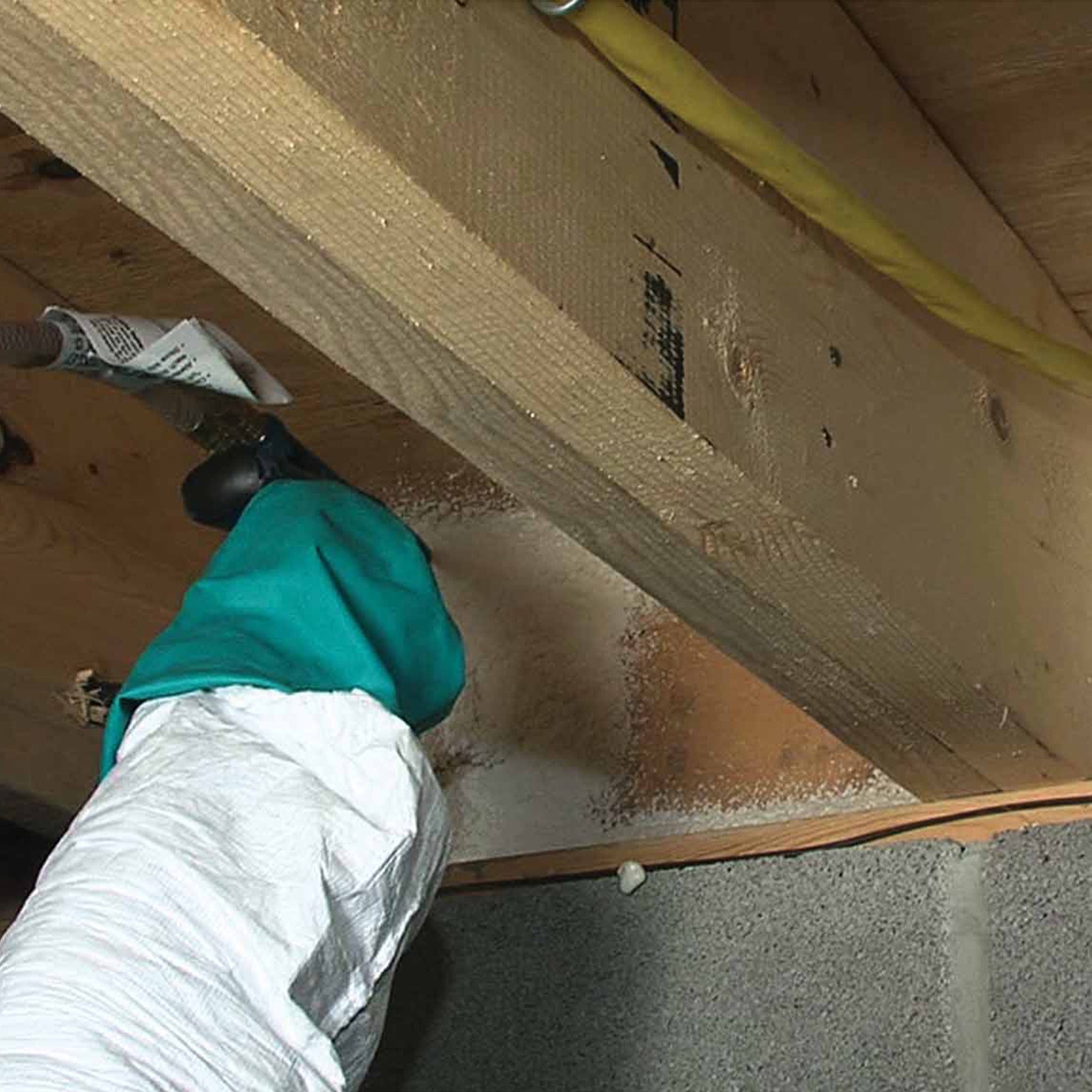
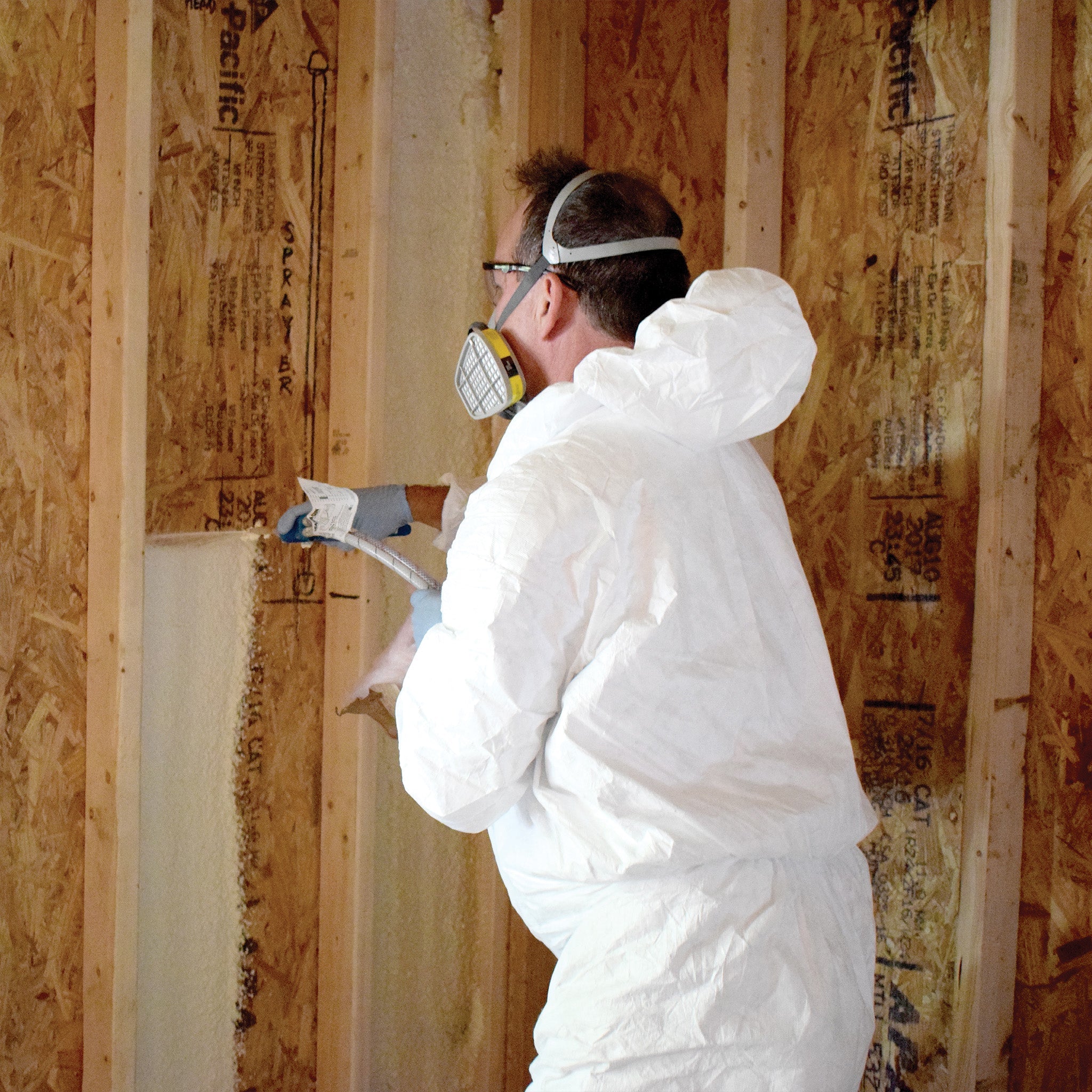
The first step is simple: stop spraying and diagnose the issue before continuing.
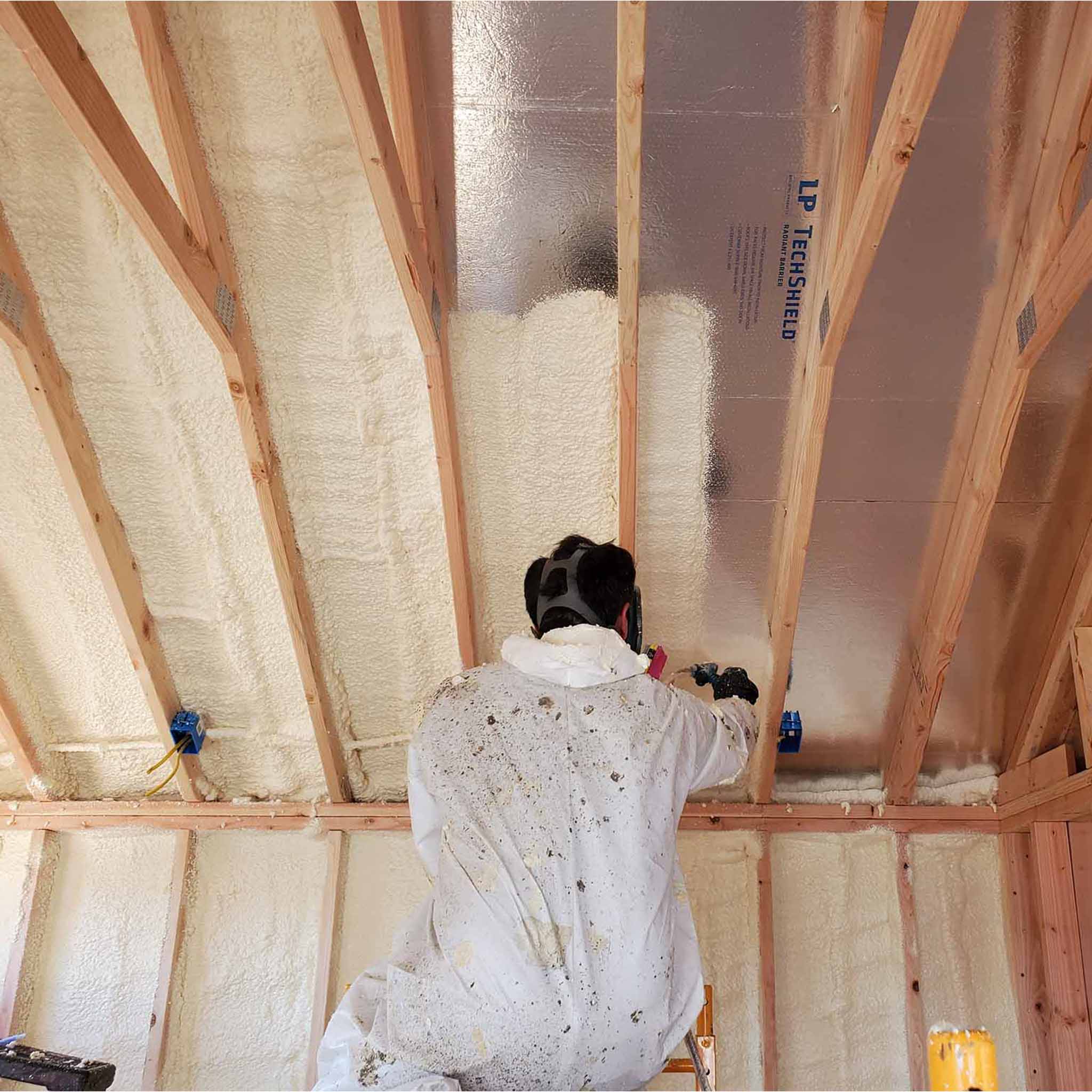
If the foam appears brown, white, brittle, sagging, dripping, unusually soft or fluffy, or otherwise different from what you expect, there is likely an issue that should be addressed before proceeding.
Start by removing the nozzle tip and performing a test shot into a waste container. You should see two strong, even streams of chemical exiting the gun. If one side has noticeably less pressure than the other, the issue may be related to the hose assembly, gun, or chemical delivery system.
Next, verify chemical temperatures using an infrared thermometer. For most applications, both cylinders should be conditioned to approximately 80°F before spraying.
Other common troubleshooting steps include:
- Confirming both cylinder valves are fully open
- Checking hose connections
- Verifying the chemicals were properly shaken
- Confirming the substrate temperature is within the recommended range
- Inspecting the spray pattern and foam color
Many foam issues can be resolved quickly once the root cause is identified. If you're unsure what you're seeing, contact us and we'll help walk you through the debugging process to get your project back on track.